


7 Best Children’s Grief Books: Helping Children Understand Death and Cope With Loss
This article compiles the best children’s grief books to purchase to help your child understand death and cope with grief.
Table of Contents
- Introduction
- Books to Help Children Understand Death and Cope with Grief
- Tips for Continuing the Conversation
- Cremation Services with Compassion
- FAQs
- Additional Resources
Key Takeaways
- Teaching children about death is no easy task. Books provide a way to convey this sad and potentially frightening message.
- Several books on the market can teach your child about death. When Someone Dies, by Andrea Dorn, and Something Very Sad Happened, by Bonnie Zucker, are a few examples.
- After reading the book, have a meaningful conversation with your child to ensure they understand death, and they don’t feel anxious and afraid.
Introduction
Children are innocent. They are born into this world not knowing anything, and as they grow, they are influenced and shaped by their environments. Unfortunately, harsh realities can be experienced at an early age, including the death of a family member, friend, or pet.
Explaining death and helping children express their emotions in a healthy way can be challenging. No child is the same when it comes to grieving. It is important to be able to have conversations with children regarding death, and books have proven to be a great resource in sparking those discussions. For Los Angeles and Orange County families navigating loss, these conversations can be especially meaningful when supported by the right resources.
“We all learned that grief isn’t something to hide. It’s something we can learn to hold onto together.”
Ryan Brazil, 4th-grade teacher, from the article, Fourth Grade Teacher Beautifully Explains What Grief Is to Her Students Using a Vase
But which books are best suited to this difficult task? We’ve come up with a few you can give to your children, so they can better understand death and its impact on the living.
How to Find the Best Children’s Grief Books
| Your Child’s Situation or Need | What to Look for in a Book | Examples of Types to Look For |
| First introduction to death | Simple, concrete language, gentle tone, focusing on life cycles and feelings | General first look at death, explaining what it means when the body stops working |
| Toddler just lost a loved one | Short text, clear pictures, language you can personalize, guidance for parents | Toddler-focused guide |
| A school-age child asking a lot of questions | More detailed explanations, ideas for coping, and conversation prompts | Mindful ‘how-to’ guides for dealing with grief that offer reflection questions and activities |
| The child is worried about being separated from you or others | Stories that emphasize ongoing connection and love, even when someone isn’t physically present | Books built around metaphors like invisible strings and love that reaches across distances |
| The child is grieving a friend, pet, or classmate | Stories that show remembering, creating rituals, and celebrating a life, often with animal characters | Books about animal friends or classmates who die and how the characters honor their memory |
| The child is having big, changeable feelings about death | Books that name many different emotions, emphasize that all feelings are okay, and show that healing occurs over time | Picture books that follow a character through waves of feelings, ending with hope and remembrance |
| Something soothing for bedtime | Soft, lyrical language with an emphasis on safety, love, and comfort rather than details about death | Gentle, poetic books about how a caregiver’s love will always be there for the child. |

When choosing a book for your child, ensure it is appropriate for their age. Recommended ages are typically listed in the description. Keep in mind that these age groups don’t indicate how smart your child is, but their emotional state, so choose a book that caters to that level.
Skim the book looking for clear and honest language, a worldview that fits your family culture, an appropriate situation, and a balance of feelings and hope. Consider the visual representations. If you are unsure, ask a librarian or teacher for recommendations.
7 Best Children’s Grief Books
Authors and illustrators have created books for children that explain what death is in an age-appropriate manner, while highlighting the normalcy of the spectrum of emotions felt throughout the grieving process. Below is a list of books that do a great job of addressing a heavy subject in a simple yet sensitive way.
When Someone Dies: A Children’s Mindful How-to Guide on Grief and Loss
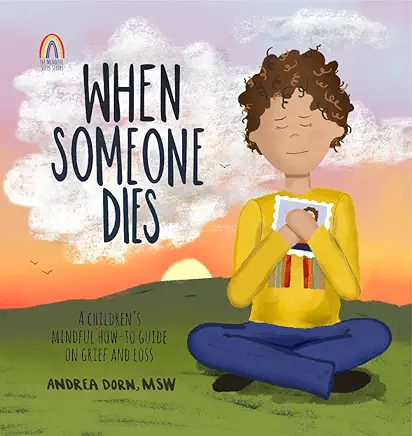
- Author: Andrea Dorn
- Ages: 5-9
This book clearly explains what happens when someone dies and helps a child walk through the bereavement process. It provides a mindful approach for processing emotions. The book even offers optional engagement questions to work through after reading and self-compassion meditations.
Something Very Sad Happened: A Toddler’s Guide to Understanding Death
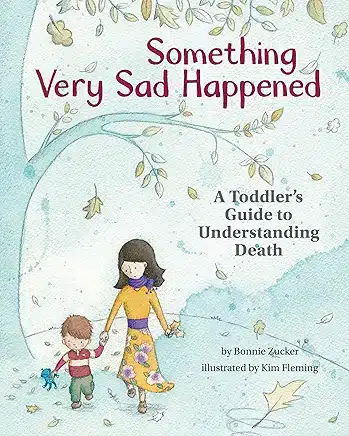
- Author: Bonnie Zucker
- Ages: 2-4 years
This book is intended for parents to read to their children and can be personalized to honor the person you lost. It helps little ones understand what death means and why death is natural. The book also includes a detailed note for parents and caregivers offering guidance on how they can talk to children about death.
Buy ‘Something Very Sad Happened’ here.
I Miss You: Grief and Mental Health Book for Kids
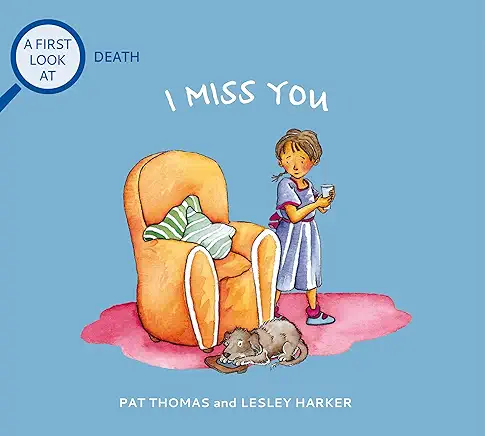
- Author: Pat Thomas
- Ages: 3-7 years
In I Miss You: A First Look at Death, author and psychotherapist Pat Thomas communicates that death is a natural part of life, and the feelings a child may experience when he or she loses a loved one are normal. She explains death in simple language, helping children process their emotions and come to terms with their feelings. The book promotes interaction between parents and children, guiding and inspiring communication during difficult times.
The Invisible String
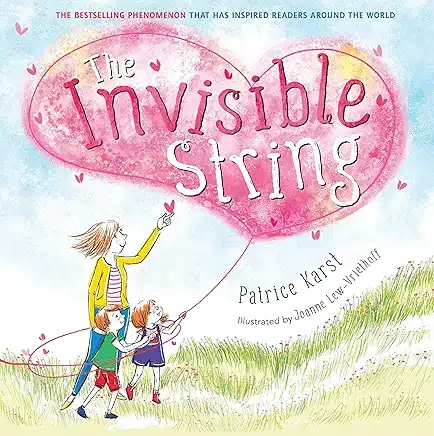
- Author: Patrice Karst
- Ages 3-7 years
Physical separation does not mean love and connection have to fade. The Invisible String by Patrice Karst touches on the anxiety children can experience when separated from someone they love, especially because of death. Karst sends a message that we are all connected by an invisible string of love, allowing us to keep those we dearly love close to our hearts at all times.
Buy ‘The Invisible String’ here.
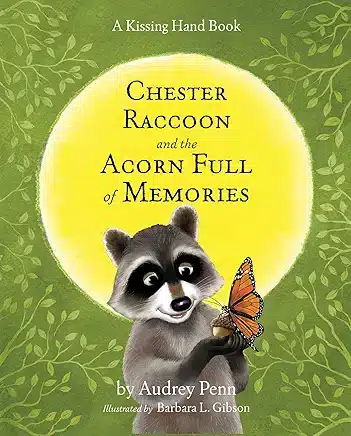
Chester Raccoon and the Acorn Full of Memories
- Author: Audrey Penn
- Ages: 3-7 years
Authors often use animals as characters in stories to convey important messages to children. This is evident in Chester Raccoon and the Acorn Full of Memories by Audrey Penn.
In the story, Chester Raccoon learns that his friend Skiddel Squirrel was in an accident, and he won’t be able to see him anymore. Mrs. Raccoon encourages Chester to remember all the good times they shared and to do something special to celebrate his life. This book teaches children that memories can offer comfort when someone passes away and that honoring those who have passed can be done in unique ways.
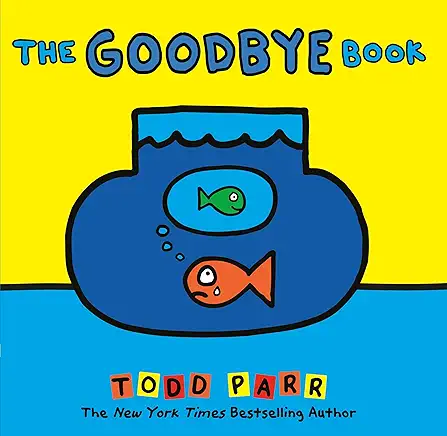
The Goodbye Book
- Author: Todd Parr
- Ages: 2-4 years
Like Chester Racoon, The Goodbye Book also examines death through an animal’s perspective, specifically, through the eyes of a fish. Parr explores the emotions one may feel when losing someone, but reminds readers that, in time, things do get better. He also emphasizes the importance of holding onto memories, which can be done in various ways.
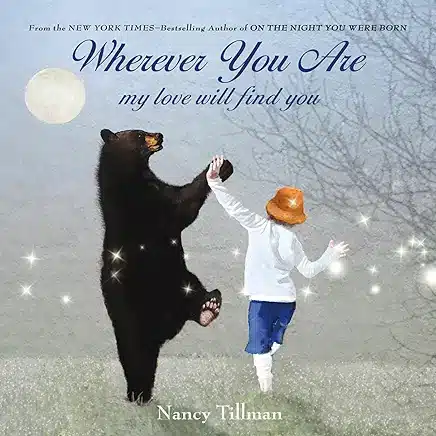
Wherever You Are, My Love Will Find You
- Author: Nancy Tillman
- Ages: 1 and up
Following the death of a parent, children may struggle with expressing their feelings and trying to make sense of it all. They may begin asking many questions, which can be challenging to answer. In Wherever You Are, My Love Will Find You, Nancy Tillman answers these questions, showing that love is unconditional and transcends time and space. Love will find its way no matter what.
Buy ‘Wherever You Are, My Love Will Find You’ here.
Tips for Continuing the Conversation
Grief books can help children understand death, but parents should continue the conversation, ensuring little ones fully process the concept and don’t feel scared or anxious. Southern California parents and caregivers might find these approaches particularly helpful:
- Follow Their Lead: Ask them what they thought of the story. Pay attention to how they respond, including the words they choose and their body language.
- Normalize All Feelings: Ensure they feel comfortable with their feelings, no matter what they may be.
- Use Simple Clear Language: Rather than saying, “he went to sleep,” say, “His body stopped working.”
- Check What They Believe or Imagine: Find out their beliefs about death, whether changed by the book or not. Correct misunderstandings kindly.
- Reassure Them: Thoughts of death could scare your children. Remind them that most people live a long time and they have nothing to worry about.
- Encourage Memories: Invite your child to share their memories or remember your loved one through drawings, telling stories, looking at photos, and other outlets.
- Leave the Door Open to More Conversations: Make your child feel comfortable asking questions that may come up in the future.
Many experts feel it’s best to wait a while after you’ve read a grief book, then ask your child to read or retell the story to you. This approach reveals what they actually absorbed, gives them control and agency, encourages repetition without pressure, and opens the door for them to ask any questions they may have.
Cremation Services With Compassion
Opal Cremation understands that loss affects adults as much as it does children. Serving families throughout Los Angeles and Orange County, our company helps those experiencing loss navigate a difficult, emotional time.
We offer direct cremation services in Southern California as all-inclusive packages that cater to families’ unique wishes and needs. Our cremation costs are affordable, with no hidden fees.
The entire process can be arranged online or by phone for your convenience, allowing you to focus on what matters most. You can count on our dedicated care team to be here for you every step of the way, with communication and support available 24 hours a day, 7 days a week.
If you’d like support navigating arrangements, we’re here.
Choose one of our Southern California cremation locations to get started:
Los Angeles Cremation • San Diego Cremation • Orange County Cremation
FAQs
Should children’s books use words like ‘died’ or softer terms?
Experts recommend using words and phrases like ‘death’, ‘died’, or ‘body stopped working’ instead of ‘went to sleep’ because the language is clearer and more concrete.
Do these books address religious or spiritual beliefs?
Many of these books are non-denominational, focusing on emotions, memories, and life cycles rather than religion or spirituality.
Are there books for different types of loss?
Yes, you can find books that specifically cater to the loss of a pet, parent, or grandparent. There are also books that are easy to customize to the type of loss you experienced.
Do I need to wait until there is a death to read these books?
No, many experts recommend reading grief books before there is a death, so children understand what to expect.
What if my child doesn’t seem interested or changes the subject?
It’s okay if your child isn’t interested in reading about death or changes the subject. Just say, “We don’t have to talk about this right now,” and leave the book somewhere they can find it. Follow their lead and try another day with a shorter read.
Additional Grief Resources:
Books to Help Children with Grief and Loss
25 Children’s Books That Explain Death And Grief To Kids
What is Grief? – 5 Important Things to Know as You Process Loss
Losing a Loved One and Grieving at the Holidays
8 Movies that Capture the Essence of Grief and Loss
14 Ways to Cope With the Loss of a Loved One on Valentine’s Day